- Worship Strategies
- Posts
- I Transformed a Mainstream Worship Song Into a Gospel-style Powerhouse. Here's How.
I Transformed a Mainstream Worship Song Into a Gospel-style Powerhouse. Here's How.
By Worship Strategies

Derek Volkmann
January 31, 2026
In partnership with

The past few weeks, I’ve been in the woodshed.
Basically, it’s an old-school jazz term for isolated, focused practice. (Except, I’m married with two kids. Not much isolation. 😅 )
I found a renewed vigor for piano this year, and I put together a neat accompaniment for a friend for us to perform together at our church’s annual “coffee house praise” night this past week…
…but I had to cancel because the stomach flu.
Sometimes, you just can’t get a break, right?
Anyways—although I didn’t get to display the ideas that I’d worked on for a several days, the practice isn’t for naught. I’m actually really fired up for unlocking some goals in my personal playing techniques, especially when combining that with arranging ideas from my background as a jazz musician, who now primarily leads “mainline” worship music. But more importantly, it’s helping me find joy paired with worship of our Creator as I pursue this craft and His calling.
I want to share those ideas with you, but before I do, there’s something that you can do that helps out our newsletter a TON.
Worship Strategies is growing—and we’re helping others grow, too. Each week, we feature our favorite brands that we think you should be involved with, and by clicking on the links below, it helps them build their audience AND we get a “thank-you” in return for passing the word along.
All it takes is a click.
Not Conservative. Not Liberal. Just Christian.
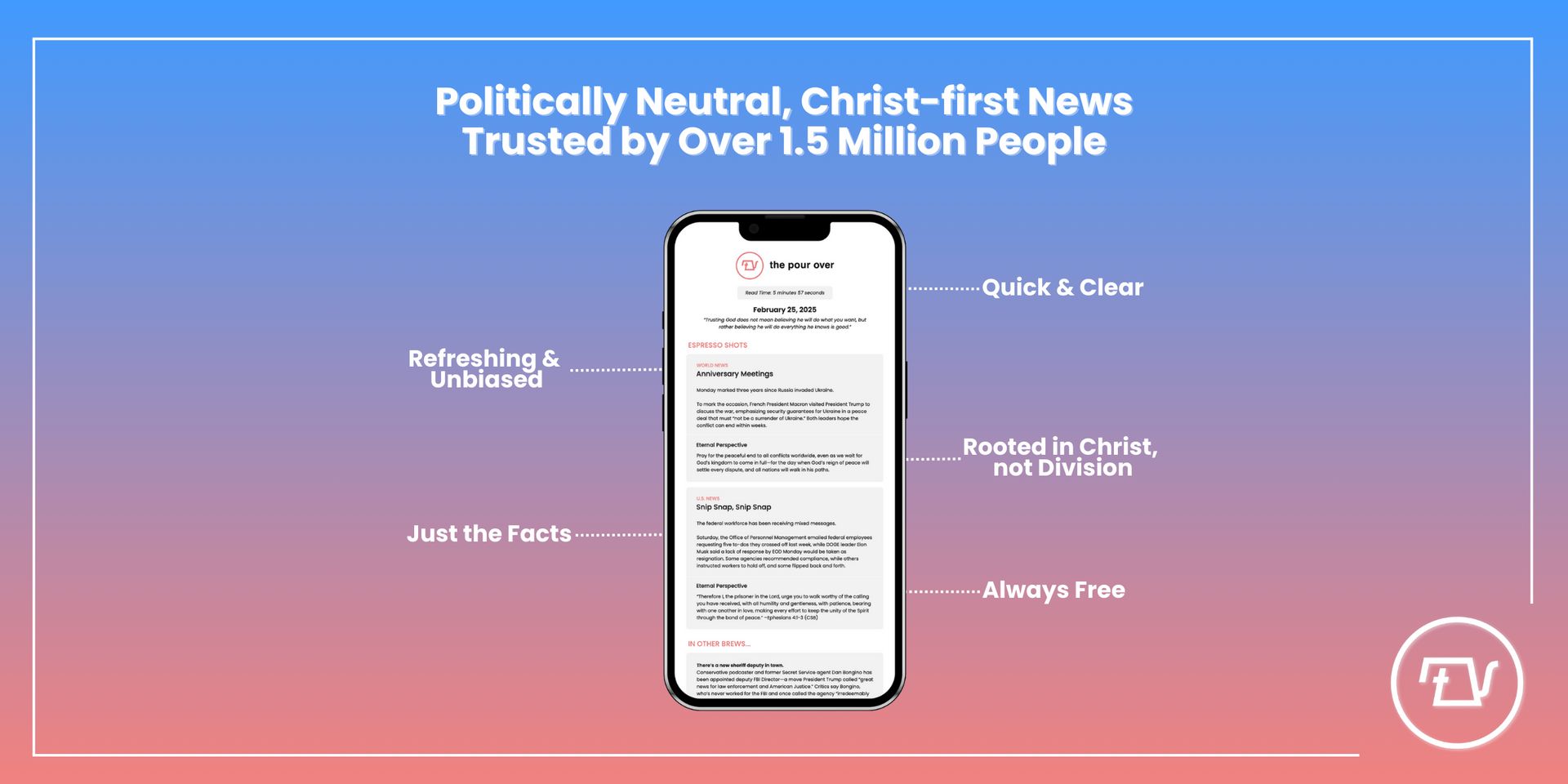
The world feels chaotic, but your news source doesn’t have to.
You can hide under a rock or spiral into the chaos… or you can subscribe to The Pour Over and get the news you need to know and the peace you crave.
Every Monday, Wednesday, and Friday, The Pour Over sends quick news summaries that are actually fun to read. Plus, each newsletter includes short biblical reminders to help you stay focused on Christ and eternity. Instead of fueling outrage or anxiety, the news becomes another prompt to rest in God and respond in faith.
Over 1.5 million Christians have ditched the doomscroll and found a better way to stay informed––Christ-first, anger-free, and (even kinda) funny.
Try it for free and check out their welcome email that’ll make you glad you did!
Alrighty, let’s get into the music—we have everything notated with accompanying audio!
A Single Chord Progression → Several Possibilities
OK—so what we’re looking at today is another application of reharmonization. (If you’re not familiar with the concept, check out this previous post.)
For the performance that I was supposed to accompany this past week, we were set to play “Trust In God,” by Elevation Worship. The song features a single chord progression for all sections: verses, choruses, bridge—everything.
Ever since this song was released, it’s been an anthem for several churches around the world, including ours here in mid-MO. But this time around, I wanted to approach it a bit differently for a variety of reasons:
The coffee house praise night is supposed to be “special.”
And—honestly—I’m kinda bored with the existing chords. 🤷♂️
When looking at the opening phrases through the lens of musical analysis, specifically in harmony, here’s what we have:
1 | 1 5/7 | 6m | 6m 1/5 | 4 | 1/3 | 2m | 4 ||
Not a bad progression, but the use of dynamics and register changes can only take it so far; it eventually becomes a bit stale (lyrics notwithstanding). For my artistic goals, I’ve felt that a bit of variety is warranted sometimes for this particular song, and variety is the spice of life, right?
In the first few measures, moving from the “1” chord to the “6m” chord allows the arranger to explore several possibilities of reharmonizing the “in-between,” particularly in m.2. (This can also be applied to m.4 cadencing to the “4” chord in m.5.) And nearly every time I work out a reharmonization, I go back to my jazz background for inspiration. What results is a style reminiscent of modern Gospel/R&B artists. (Think, Kirk Franklin, Tommy Walker—but really, it’s more reflective of my listening of late to secular fusion groups like Snarky Puppy and Dynamo.)
Anyways, here’s the basic frame work in standard notation leading from the starting “1” to the “4”:

One of the first things I do is recall back to other songs that have a similar motion from “1” to “6m” and then eventually cadencing on “4”; a few that come to mind are:
“There Will Never Be Another You” (Harry Warren/Mack Gordon)
“Confirmation” (Charlie Parker)
“Blues for Alice” (Charlie Parker)
The cool thing about each of these tunes is that they:
Approach the “6m” with a secondary dominant (a minor ii-V in the “key” of the “6m”).
Approach the “4” with a similar secondary dominant.
Here’s what they sound like:


This basic framework is what we’ll use to transform the initial chord progression of the worship song.
Step-by-step Transformation
Alrighty—so the first example of our transformed worship progression tonicizes the “6m” chord, directly borrowing the basic movements from the jazz standards to get there, along with a fancy bit of chromaticism to get to the “4” chord.

In this example, I traded out the first tonicization in m.2 with a cycle progression, where I tonicize several chords in succession before arriving to the “6m” in m.3. There’s also a cool countermelody in the second half of the phrase that strengthens the arrival to the “4” chord.

And here, I’ve added even more chromaticism to the countermelody.

The next example keeps the cycle progression, but I’ve traded out the countermelody in the second half of the phrase in favor of modal interchange, where I dip into a major “6” tonality before arriving back to the “4” of the original key. (This is where my Snarky Puppy/Dynamo listening has paid off 🤷♂️)

And finally, I swap out the cycle progression in the first half with a series of chromatically descending chords with a brief enclosure (chords placed a step above and below the target chord before cadencing). I ended the phrase with a stronger descent to the root of the “6” chord before pivoting back to the “4” of the original key.

Nothing Is Set in Stone
The examples above may seem like a lot—but it’s studies like these that help you break out of the box when approaching an arrangement. Although I’m not playing the melody to “Trust In God” within these examples, they are arranged in such a way that it can be sung over all the examples without sounding discordant (even though there’s A LOT of dissonance!).
Find ways to mix and match these approaches in your own playing, making adjustments along the way—just remember to keep tastefulness in mind.
Study as a Form of Worship
My final thought is this: Your source of creativity is born from God; it’s part of what we call the imago dei (image of God). God’s masterful creativity is echoed in our recognition and pursuits of that which is good, true, and beautiful—which takes many forms and is subject to taste and cultural context.
So adopt the framework that your creativity and exploration is an act of worship; you are again, ECHOING a divine act that God willed to exist. Your study, craft, and skills are a testament to God’s glory AND they are a means by which you can glorify Him.
And that’s powerful.
Be blessed 👊✌️
Derek is the founder and director of Worship Strategies and is also Creative Ministries Director Faith Family Church in Fayette, MO. Outside of ministry, he is active as a musician and entrepreneur. He is married to his wife Kaitlynn, and they have two beautiful daughters.
Want Our Help with Your Worship Ministry?
A big part of what we do at WORSHIP STRATEGIES is to help churches improve how they worship.
Practically, this looks like discipleship, leadership coaching, music instruction, and production advising to help your team grow and excel in their giftings to glorify God and edify His people.
The cool thing? We do this free of financial obligation for each church. We have a growing team of folks who support us in our work for YOU 🫵 and be a blessing to churches who need help but lack tangible resources for improvement.
If you’re interested in working with us, then just click the button below to get started.